

When a cavity or minor damage affects a tooth, today’s restorative options let us repair the tooth without sacrificing its appearance. Composite fillings are a tooth-colored resin that can be precisely matched to your enamel, providing a restoration that blends with your smile while restoring chewing function. Because they are worked and polished to mimic natural tooth structure, composites are often chosen when aesthetics matter as much as durability.
Composites are versatile — they can repair small chips, fill cavities in visible front teeth, and restore molars when appropriate. The material bonds directly to the tooth, which helps recreate natural contours and preserves the visible line between restoration and tooth. For patients who prefer metal-free dentistry or who want a seamless look, composite fillings offer a discreet and reliable solution.
At Bogdan Family Dentistry we combine careful shade selection with conservative preparation to produce restorations that look and feel like your own teeth. Our goal is to repair damaged teeth in a way that respects both form and function, leaving patients confident in the appearance of their smile as well as its long-term health.
One of the most important advantages of composite resin is its adhesive quality. Instead of relying on mechanical retention like some older materials, composites form a chemical bond with enamel and dentin. That means less healthy tooth structure needs to be removed during preparation, which helps preserve the tooth’s natural strength and reduces the risk of future problems.
This conservative approach benefits patients in several ways: it minimizes sensitivity by avoiding excessive drilling, maintains more of the natural tooth for potential future treatments, and produces a better long-term seal against bacteria. For many small- to medium-sized cavities, bonded composite restorations are an ideal choice because they repair the tooth while minimizing intervention.
There are cases when alternative restorations—such as inlays, onlays, or crowns—are more appropriate, particularly for very large defects or teeth with extensive prior restorations. Your dentist will evaluate the size, location, and remaining tooth structure to recommend the most predictable, long-lasting option for your situation.

Treatment with a composite filling typically starts with a thorough exam and any needed X-rays to assess the extent of decay. Once treatment begins, local anesthesia is used as needed to keep the area comfortable. The decayed or weakened portion of the tooth is removed with precision, and the cavity is shaped for optimal bonding without unnecessary loss of healthy enamel.
Composite resin is applied in controlled, thin layers. Each layer is sculpted to restore the tooth’s contours, then hardened with a specialized curing light. Working in layers allows the dentist to shape the filling to match adjacent teeth and to achieve a strong, densely packed restoration. After the material is set, the filling is contoured and polished so it feels smooth and fits comfortably with your bite.
Patient comfort and communication are priorities throughout the visit. We will also review home-care tips and any expectations for short-term sensitivity so patients leave informed and comfortable about their recovery.
Following placement, it’s normal to experience temporary numbness from anesthesia and mild sensitivity to pressure or temperature for a few days. Taking care to avoid chewing directly on the treated tooth until numbness has completely worn off helps prevent accidental biting of the cheek or tongue. Over-the-counter analgesics and avoiding very hard or sticky foods during the first 24–48 hours typically manage any minor discomfort.
If you notice prolonged sensitivity that worsens with biting, persistent pain, or a rough spot that doesn’t smooth out after a day or two, contact our office to arrange a follow-up. Occasionally an adjustment to the contour or bite is needed to eliminate pressure points. Regular brushing, flossing, and routine dental visits help ensure fillings remain intact and functioning as intended.
Good oral hygiene is the best defense against new cavities around existing restorations. Patients should brush twice daily with fluoride toothpaste, floss daily, and keep scheduled checkups so the dentist can monitor restorations and identify early signs of wear or recurrent decay.

A filling can restore many teeth to health, but it is sometimes one step in a broader plan. For teeth with extensive decay, weakened structure, or fractures, an inlay, onlay, or crown may provide greater long-term protection. Similarly, a tooth that develops deep decay close to the nerve may eventually need a root canal before a definitive restoration is placed. Early detection and appropriate treatment planning help you avoid more invasive procedures later on.
We use up-to-date diagnostic tools, such as digital radiography and intraoral imaging, to make informed recommendations about when a simple filling will suffice and when a stronger restoration is warranted. Monitoring the restored tooth at routine visits allows us to identify changes early and intervene conservatively when needed.
Repairs and replacements are part of responsible dental care. Composite fillings can often be repaired if a small portion chips or stains, but larger failures may require replacement with a more protective option. Your dentist will explain the rationale for any recommended next steps so you understand the benefits and trade-offs of each choice.
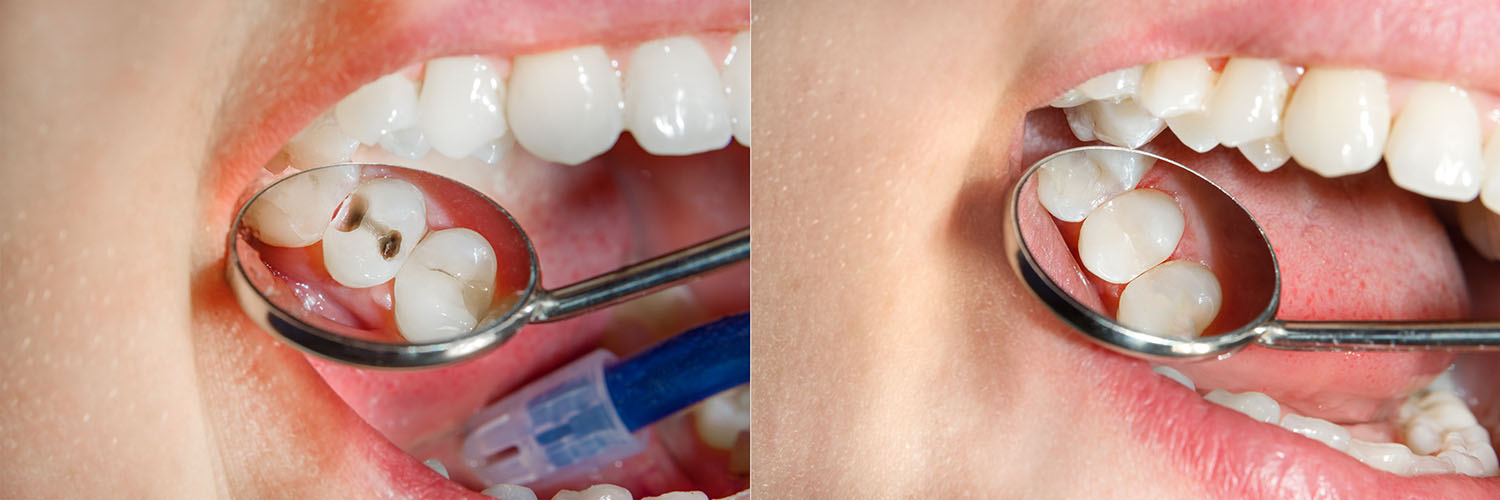
We aim to restore teeth in a way that preserves health, function, and appearance. If you have questions about how composite fillings might fit into your care, or if you’re experiencing symptoms that could indicate a cavity, contact Bogdan Family Dentistry for more information.


Composite fillings are a resin-based, tooth-colored material used to restore teeth affected by decay, small fractures, or minor cosmetic defects. They are formulated to match the natural shade of enamel and can be sculpted to recreate tooth contours for a seamless appearance. Because composites bond directly to tooth structure, they are often chosen when aesthetics and preservation of healthy tooth material are priorities.
Composites can be used on front and back teeth depending on the size and location of the defect, and they are a common alternative to older metal restorations. Their versatility makes them suitable for repairing chips, closing small gaps, and replacing worn or discolored fillings. Dentists select the material and placement technique to balance strength, appearance, and longevity for each tooth.
Treatment begins with a comprehensive exam and any necessary X-rays to determine the extent of decay and the best approach for restoration. Local anesthesia is administered as needed to ensure comfort while the dentist removes decayed or weakened tooth tissue and prepares the cavity for bonding. The composite material is then applied in thin layers, with each layer shaped and cured using a specialized light to build up the restoration.
After the composite is fully set, the dentist will contour and polish the filling so it fits smoothly with adjacent teeth and your bite. This layering technique allows for precise shaping and a dense, durable restoration. Final adjustments are made while you bite gently to confirm there are no high spots or interference with chewing.
Most patients experience little to no pain during the procedure because local anesthesia blocks sensation in the treated area. The injection itself may cause brief pressure or a quick pinch, but modern techniques and topical anesthetics help minimize discomfort. If anxiety is a concern, talk with your dentist beforehand about comfort measures such as topical numbing and taking breaks during treatment.
After the appointment, it is common to have temporary sensitivity to pressure or temperature for a few days while the tooth adjusts. Over-the-counter pain relievers and avoiding very hard or sticky foods during the initial recovery period usually manage any minor discomfort. Contact the office if you have prolonged or worsening pain, signs of infection, or bite problems after the numbness wears off.
Composite fillings can last many years when properly placed and cared for, but their lifespan depends on factors such as the size and location of the filling, bite forces, oral hygiene, and habits like grinding or chewing hard foods. Smaller, well-bonded restorations on low-stress areas tend to last longer than large restorations on molars. Regular dental checkups allow your dentist to monitor wear and detect early signs of failure.
Good home care, including brushing with fluoride toothpaste and daily flossing, helps prevent recurrent decay around restorations and can extend their service life. Night guards or bite adjustments may be recommended if you grind your teeth to protect fillings from premature wear. When a filling shows significant wear, fracture, or recurrent decay, your dentist will recommend repair or replacement with an appropriate restoration.
Composite fillings are metal-free restorations composed primarily of a resin matrix and inorganic filler particles, and they offer a suitable option for patients seeking a discreet, tooth-colored solution. Contemporary composite materials have been extensively studied and are widely used in restorative dentistry for their aesthetics and bonding properties. Some patients ask about trace chemical components; modern formulations have been refined to minimize concerns and meet regulatory safety standards.
For patients interested in metal-free dentistry, composite restorations provide a predictable, conservative option that preserves tooth structure. Your dentist will review material choices, clinical considerations, and any specific health questions during treatment planning to ensure the selected restoration aligns with your preferences and oral health needs. At Bogdan Family Dentistry, we discuss material options and recommended approaches tailored to each situation.
Fillings are ideal for small- to medium-sized cavities and minor structural repairs, but very large areas of decay, substantial fractures, or teeth with extensive prior restorations may require stronger alternatives. In such cases, an inlay, onlay, or crown may provide better long-term protection by covering and reinforcing weakened tooth structure. If decay extends close to the nerve, root canal therapy followed by a protective crown might be the most predictable solution.
Decisions about the appropriate restoration depend on the size and location of the defect, the amount of remaining healthy tooth, and functional demands. Your dentist will evaluate these factors using clinical assessment and digital X-rays and recommend the option that optimizes longevity and function. Conservative monitoring or phased treatment can sometimes preserve options for future restorative choices.
Immediately after treatment you may experience numbness from anesthesia and mild sensitivity to biting or temperature for a few days as the tooth settles. Avoid chewing on the treated side until numbness fully subsides to prevent accidental biting of the cheek or tongue. Eating softer foods for the first 24 hours and avoiding very hot, cold, or sticky substances can make recovery more comfortable.
If sensitivity persists beyond a week, worsens with pressure, or is accompanied by swelling or severe pain, contact your dental office for an evaluation. Occasionally an adjustment to the filling contour or bite is needed to eliminate pressure points. Routine follow-up during your regular checkups allows the dentist to confirm the restoration is functioning properly.
Minor chips, small areas of wear, and superficial staining can sometimes be repaired directly by adding composite material and polishing the surface. Because composite bonds to existing tooth structure, these localized repairs are often conservative and preserve more tooth tissue than complete replacement. The feasibility of a repair depends on the size and location of the defect and the condition of the existing restoration.
Larger fractures, widespread staining, or recurrent decay around the filling may require removal and replacement with a new restoration or an alternate restorative option. Your dentist will examine the tooth and recommend the most predictable treatment to restore strength and appearance. Regular exams make it easier to catch and address small issues before they become major problems.
Maintaining excellent oral hygiene is the most effective way to prevent new decay around fillings; this includes brushing twice daily with fluoride toothpaste, flossing once daily, and using any additional preventive measures recommended by your dentist. Limiting frequent consumption of sugary or acidic foods and beverages reduces the environment that promotes decay. Drinking water and chewing sugar-free gum after meals can also help neutralize acids and stimulate saliva.
Regular dental examinations and professional cleanings allow early detection of recurrent decay and timely intervention when needed. Your dentist may recommend topical fluoride treatments, sealants, or more frequent checkups for patients at higher risk of cavities. Addressing habits such as nail biting, ice chewing, or grinding can also protect restorations from premature damage.
Shade selection is a careful process that considers factors such as adjacent tooth color, translucency, and the way light interacts with enamel. Dentists use shade guides and, when available, digital photography or intraoral cameras to compare tones under natural and operatory lighting. Layering composites with slightly different shades or opacities allows the dentist to recreate the subtle depth and sheen of natural teeth.
Conservative preparation and precise finishing techniques, including polishing, further enhance the restoration's seamless appearance and help it blend with surrounding tooth structure. Communication about your cosmetic goals before treatment ensures the chosen shade matches your expectations. At our downtown Bethel office, we prioritize conservative shade selection and finishing to achieve restorations that look and feel natural.

Ready to schedule a visit or ask a question?
Our friendly team is happy to help, whether you are booking an appointment, weighing treatment options, or simply deciding where to start. Call or use our online contact form, and we will get back to you promptly.