

At the office of Bogdan Family Dentistry, we take a practical, preventive approach to preserving your oral health. Regular exams let our team identify small problems before they grow, guide you through evidence-based care, and tailor recommendations to your lifestyle and medical history. Our preventive services include thorough oral examinations, professional cleanings, screenings for oral cancer, and clear guidance on home care, nutrition, and habits that affect long-term dental health.
Your initial visit establishes a clear baseline for future care. We begin by reviewing your medical and dental history, listening to your concerns, and documenting any symptoms you’ve noticed. This conversation helps us understand risk factors—such as medications, systemic conditions, or habits like grinding—that influence your oral health plan.
The clinical portion of the appointment includes a careful inspection of teeth, gums, jaw joints, and soft tissues, along with a functional assessment of your bite. If indicated, we will recommend diagnostic images to evaluate areas out of sight and note any signs of wear, cracks, or early decay. We also screen soft tissues for any suspicious lesions and assess gum health to identify areas needing closer attention.
Following the exam and any imaging, we’ll review findings with you in plain language and outline sensible next steps. Whether the plan is routine maintenance or targeted treatment, our goal is to keep you informed so you can make decisions that fit your needs and schedule.

The mouth is a window to general health: changes inside can both reflect and influence conditions elsewhere in the body. During an exam, we look beyond cavities to spot signs that might signal broader health concerns, such as persistent inflammation, unusual bleeding, or lesions that warrant medical follow-up.
Mounting research connects oral disease with systemic conditions. Some of the health areas commonly linked with oral findings include:
Digestive disorders
Respiratory conditions
Heart and vascular disease
Stroke risk factors
Diabetes management and control
Neurological concerns such as cognitive decline
Conversely, medications, systemic illnesses, and nutritional issues often first show symptoms in the mouth—for example, dry mouth, ulcerations, or persistent gum inflammation. When we detect these clues, we help coordinate care and recommend appropriate follow-up with your medical providers when needed.

Keeping a healthy smile requires attention at home and regular maintenance in the office. Routine exams allow us to monitor changes over time, catch developing problems early, and adjust preventive strategies as your needs evolve. Early detection typically means simpler, less invasive treatment and better long-term outcomes.
Professional cleanings remove hardened deposits and bacterial buildup that brushing and flossing can miss. Those deposits are reservoirs for the bacteria that cause cavities and gum disease; removing them reduces inflammation and lowers your risk of progressive problems. Cleanings also give us an opportunity to polish and freshen your smile while educating you on technique and tools that work best for your mouth.
We recommend regular visits at intervals appropriate to each person’s risk profile. For children, routine checkups build healthy habits and let us monitor jaw and tooth development, watching for signs that a referral for orthodontic evaluation may be helpful. For adults and seniors, consistent care supports restoration longevity, gum stability, and overall comfort.
Throughout these visits, our team focuses on clear communication and compassionate care—helping you feel confident about the state of your mouth and the decisions you make about it.
Visual inspection is an essential part of an exam, but radiographs are the only reliable way to evaluate internal tooth structure, hidden decay, root conditions, and bone levels. Images provide context for what we see and help us create safe, predictable treatment plans when intervention is needed.
Modern digital radiography reduces radiation exposure and produces high-quality images that can be reviewed instantly. Digital images integrate easily with the patient record, allow side-by-side comparisons over time, and can be enlarged or enhanced to aid diagnosis. The extra detail helps us catch problems earlier and monitor healing or disease progression with greater precision.
In practice, x-rays are used selectively—recommended when clinical signs or risk factors suggest they will influence diagnosis or care. We balance the need for information with a conservative approach to exposure, using the latest equipment to keep imaging efficient and safe.
Digital radiography offers several patient-centered advantages, including:
Faster image capture with reduced radiation
Immediate viewing and explanation during the visit
Easy secure storage and transfer for coordination of care
Environmentally friendlier workflow with no chemical processing
Convenient access to images for monitoring changes over time
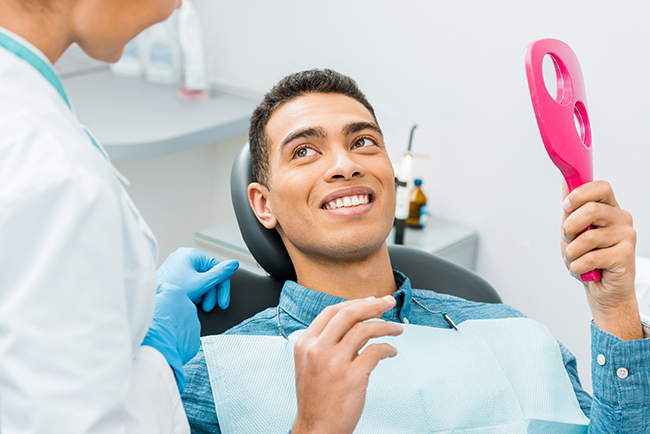
Different images reveal different information. The size, angle, and type of film or sensor you receive depend on the clinical question we’re trying to answer—whether that’s checking for decay between teeth, evaluating root health, or assessing jaw structure.
Periapical images – Focused views of a single tooth from crown to root tip, useful for evaluating roots, abscesses, and surrounding bone.
Bitewing images – Small images that capture the crowns of back teeth to detect early decay between teeth and monitor bone levels near the gumline.
Full mouth series – A comprehensive collection of bitewing and periapical images that provides a complete snapshot of tooth and root health.
Panoramic film (panorex) – A broad two-dimensional view of both jaws and all teeth; helpful for assessing tooth development, impacted teeth, and overall jaw structure.
For more complex situations, we may recommend advanced imaging or refer you to a specialist for surgical planning when clinically appropriate.
Together, careful clinical examination and targeted imaging give us the best chance to preserve your natural teeth, support comfortable function, and maintain a healthy mouth over the long term.
In summary, routine oral exams are the cornerstone of preventive dental care: they let us detect early changes, guide treatment decisions, and support overall health. At Bogdan Family Dentistry, our team focuses on thoughtful, patient-centered exams and clear explanations so you can feel confident about your dental care. Contact us for more information about what to expect at your next visit or to discuss an individualized plan that fits your needs.
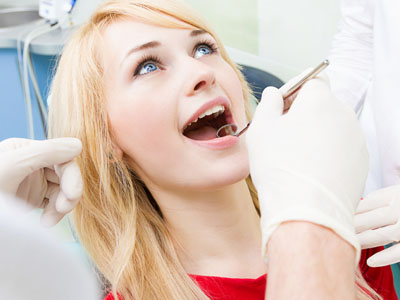

A routine oral exam is a systematic evaluation of your mouth that checks teeth, gums, soft tissues, jaw joints and bite. The dentist and hygienist visually inspect for decay, signs of gum disease, wear, cracks and unusual lesions. This assessment helps identify issues that need further testing or immediate attention.
During the clinical exam we also evaluate how your teeth come together and test jaw function to detect problems such as grinding or temporomandibular dysfunction. Soft tissues—tongue, cheeks, floor of mouth and throat—are examined for ulcers, lumps or persistent redness that may require follow-up. Your medical and dental history is reviewed to understand factors that influence oral health.
When indicated, we use diagnostic tools such as digital radiographs and intraoral imaging to look beneath the surface for hidden decay, root issues or bone changes. These images give a fuller picture of oral health and inform a conservative, evidence-based plan. After the exam we explain findings in clear language and discuss preventive steps or treatment options.
Before your first comprehensive exam bring a list of current medications, relevant medical conditions and recent changes in your health. Note any dental symptoms—sensitivity, pain, bleeding gums or changes in bite—so the team can investigate specific concerns. If you have previous dental records or images, arrange to bring them or authorize their transfer to provide continuity of care.
On arrival expect to complete or update medical and dental history forms and discuss your oral hygiene routine and lifestyle factors like tobacco use or diet. The team may take baseline photos or radiographs if clinically indicated to establish a reference for future comparisons. Clear communication about anxiety, gag reflex or accessibility needs helps us tailor the visit for your comfort.
At Bogdan Family Dentistry we focus on building a thorough baseline during the first visit so subsequent care is more targeted and efficient. The exam sets priorities if multiple issues are present and allows us to sequence treatment in a way that fits your health and schedule. We believe the initial assessment is key to long-term prevention and function.
Frequency of oral exams depends on your individual risk factors, including gum health, history of decay, systemic conditions and medications that affect saliva. For many low-risk adults, exams every six months are appropriate, while higher-risk patients may need visits every three to four months. Children, patients with gum disease and those undergoing certain treatments may require more frequent monitoring.
We tailor recall intervals based on what we observe and how your oral health changes over time, rather than using a one-size-fits-all schedule. Periodic reassessment lets us detect early changes and adjust preventive measures like topical fluoride, sealants or more intensive hygiene visits. Regular reminders and follow-up help maintain continuity of care and reduce the risk of progressive problems.
If you experience new symptoms between scheduled visits—pain, swelling, bleeding or a suspicious sore—contact the office promptly for evaluation rather than waiting for your next appointment. Timely attention to changes often prevents more complex treatment down the line. Our team emphasizes patient education so you can notice and report meaningful signs early.
Professional cleanings remove hardened plaque and bacterial deposits that brushing and flossing cannot eliminate, particularly below the gumline and between teeth. These deposits are major contributors to inflammation, gum disease and cavity formation when left in place. Regular removal reduces bacterial load and creates a healthier environment for healing and maintenance.
Cleanings also allow the hygienist to evaluate tissue response and provide individualized instruction on technique, tools and products that suit your mouth. Polishing and stain removal improve comfort and appearance while reinforcing the benefits of preventive care. Tracking pocket depths and gum health at each cleaning helps the team monitor disease progression or improvement.
Pairing exams with cleanings creates a comprehensive preventive visit: the clinician can assess disease risk, review images if needed and address concerns in real time. This integrated approach often leads to earlier, simpler interventions and better long-term outcomes. Patient education during these visits empowers you to maintain changes between appointments.
Dental x-rays are recommended when clinical signs, symptoms or risk factors indicate they will provide information that affects diagnosis or treatment decisions. Examples include detecting decay between teeth, assessing root health, evaluating bone levels around teeth and investigating unexplained pain. X-rays are used selectively rather than as a blanket test for every visit.
Modern digital radiography minimizes radiation exposure while delivering high-resolution images that can be reviewed instantly and compared over time. The dentist considers age, pregnancy status, previous imaging and overall risk when recommending specific views. We always balance the need for diagnostic information with conservative use of imaging.
Patients are informed about the purpose of any radiographs and how the images contribute to their care plan so they can make informed choices. When images are taken, they become part of the record and help track healing, progression or stability across visits. Digital storage also facilitates secure transfer when coordination with other providers is necessary.
Common images include bitewing radiographs for detecting decay between back teeth, periapical views that show a tooth from crown to root tip, and full-mouth series that provide a comprehensive look at tooth and root health. Panoramic films offer a wide two-dimensional view of both jaws useful for assessing development and impacted teeth. Each image type answers a specific clinical question.
When complex planning or surgical precision is required, three-dimensional cone-beam computed tomography (CBCT) can map bone, roots and anatomical landmarks in detail. The choice of image is based on clinical need and the least invasive method to obtain necessary information.
Digital imaging accelerates diagnosis and patient education by allowing enlargement and annotation during the visit so you can see what the clinician sees. Images are stored for longitudinal comparison, making it easier to detect subtle changes over months or years. The team will explain which images are being used and why as part of shared decision-making about care.
Oral cancer screening is an important part of every comprehensive exam and involves a careful visual and tactile examination of the lips, tongue, floor of mouth, cheeks and throat. The clinician looks for persistent sores, white or red patches, lumps or areas that do not heal and assesses any unexplained bleeding or numbness. Early detection greatly improves treatment options and outcomes.
If the exam reveals a suspicious lesion, the clinician documents its size, appearance and duration and may recommend supplementary testing or referral for biopsy. The mouth is evaluated in the context of risk factors such as tobacco and alcohol use, human papillomavirus exposure and a history of prior lesions. Screening is a quick but essential step during routine visits.
Patients are encouraged to report any persistent mouth changes between visits so suspicious areas can be re-evaluated promptly. The team emphasizes education on self-awareness and routine checks at home to complement in-office screening. When necessary, the practice coordinates follow-up with specialists to ensure timely diagnostic care.
Oral exams often reveal signs that reflect systemic health, such as persistent inflammation, unusual bleeding, dry mouth or lesions related to medication effects or nutritional deficiencies. Certain oral findings can correlate with conditions like diabetes, cardiovascular disease and respiratory issues, making the mouth a valuable window into general health. Identifying these clues supports timely medical follow-up.
During the exam we review your medical history and medications to understand how they interact with oral tissues and healing capacity. This context helps the clinician tailor preventive strategies and coordinate care with your medical providers when appropriate. For patients with chronic conditions, exams may be scheduled more frequently to monitor oral manifestations of systemic disease.
Clear communication about symptoms, medications and lifestyle allows the dental team to detect patterns that might otherwise be missed. When oral signs suggest broader concerns, we provide documentation and recommendations to support referral and collaborative care. The goal is to protect oral health while contributing to overall well-being.
If the exam identifies a problem that requires treatment, the clinician will explain the diagnosis, the treatment options, expected outcomes and the reasons for each approach in plain language. We prioritize conservative, evidence-based care and outline the sequence of procedures so patients understand how their care will proceed. Timeframes for treatment and follow-up are discussed to set clear expectations.
The team provides written aftercare instructions when appropriate and reviews at-home measures that support healing and long-term success, such as oral hygiene adjustments or temporary dietary changes. Coordination with specialists, labs or medical providers is arranged when needed to ensure comprehensive care. The practice documents findings and treatment plans in the record for continuity.
Patients can expect open communication about risks and benefits and the opportunity to ask questions before consenting to care. If multiple treatments are recommended, clinicians work with patients to prioritize what is clinically urgent and what can wait without compromising outcomes. Follow-up visits are scheduled to monitor healing and make any necessary adjustments.
We tailor each exam by considering age, medical history, current oral health, lifestyle factors and individual risk for disease rather than applying a standard checklist to everyone. Pediatric exams focus on development and habits, adult exams emphasize restoration longevity and gum stability, and geriatric visits address medications, wear and root exposure. This personalized approach ensures care is appropriate and efficient.
Personalization also extends to the tools and intervals we use: some patients benefit from more frequent hygiene visits, targeted radiographs or adjunctive therapies like fluoride or sealants based on their risk profile. We incorporate modern diagnostics, such as digital radiography and intraoral imaging, selectively to enhance decision-making and minimize unnecessary exposure. Education and behavior change recommendations are customized to each patient's goals and abilities.
Our team in downtown Bethel focuses on listening to patient concerns and coordinating care that fits both clinical needs and daily life, with clear explanations at every step. By establishing a baseline and tracking changes over time we can make conservative recommendations that preserve natural teeth and function. Patients are invited to participate actively in planning so care aligns with their priorities.

Ready to schedule a visit or ask a question?
Our friendly team is happy to help, whether you are booking an appointment, weighing treatment options, or simply deciding where to start. Call or use our online contact form, and we will get back to you promptly.